Common booking mistakes for rubbish collection in Southwest London
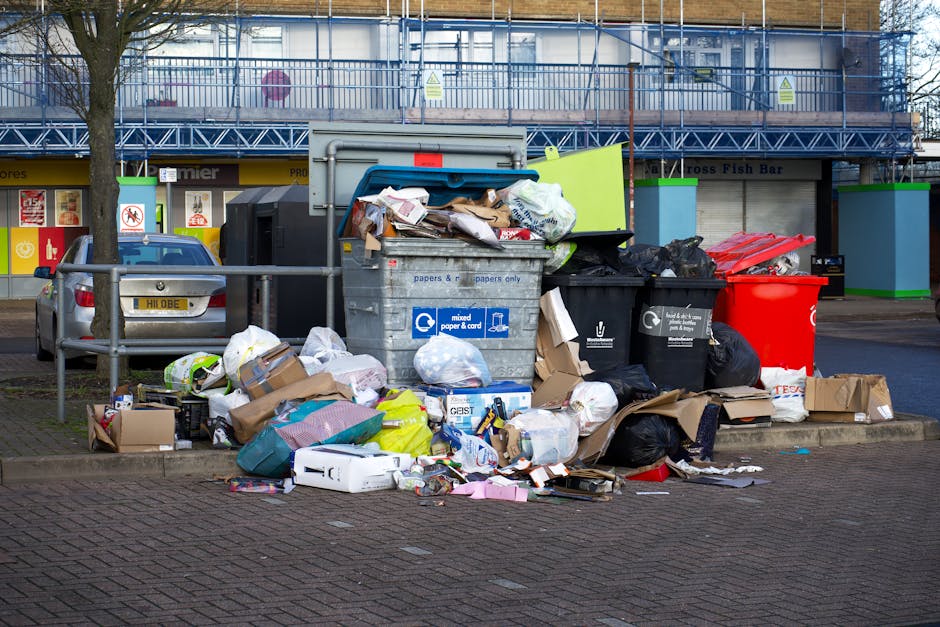
Booking rubbish collection in Southwest London sounds simple enough. Pick a time, list the waste, pay the fee, done. In real life, though, that's exactly where people slip up. The most common booking mistakes for rubbish collection in Southwest London usually come down to rushing the details, underestimating access, or not checking what the service actually includes. And once a collection goes wrong, it can mean delays, extra charges, or waste still sitting there when the van drives away.
If you're arranging a clear-out in a flat near Clapham, a house move in Putney, or a post-renovation tidy-up in Wimbledon, a little planning goes a long way. This guide walks through the mistakes people make, why they matter, and how to book rubbish collection properly the first time. No fluff. Just practical advice that helps you avoid the annoying bits.
Why Common booking mistakes for rubbish collection in Southwest London Matters
Booking rubbish removal is one of those tasks that feels minor until it goes wrong. Then suddenly the hallway is blocked by bagged waste, the lift is too small, or the crew can't take half of what was booked. In Southwest London, that can be even more frustrating because many homes and offices have tighter access, limited parking, and shared entrances. A small mistake at booking stage can snowball quickly.
It also matters because rubbish collection isn't a one-size-fits-all service. A sofa, a few black bags, builders' rubble, and garden cuttings all behave differently. They take up different space, may need different handling, and can come with different expectations around loading, disposal, and access. Booking as if everything is the same is where people get caught out. Let's face it, most problems are predictable if you know where to look.
There's another reason this topic matters: the wrong booking can cost time and money, but it can also create stress for neighbours, landlords, tenants, and staff. If waste is left in a communal area even for a short while, it can become a nuisance. And when you're trying to move out, finish a refurbishment, or clear a property before viewings, that kind of disruption is the last thing you need.
Expert summary: the best rubbish collection bookings are not the fastest ones; they are the clearest ones. Clear photos, clear access details, clear waste description, clear timing. That's the simple pattern that saves the day.
How Common booking mistakes for rubbish collection in Southwest London Works
At a practical level, a rubbish collection booking is a short assessment of what needs removing, where it is, and how it can be collected safely. The booking stage helps a provider decide how many people, what type of vehicle, and how much time the job may need. If you book the wrong service or leave out important detail, the collection may still happen - but not in the way you expected.
Most bookings follow a similar process:
- You describe the waste and where it is located.
- You share access details such as stairs, parking, gates, lifts, or permits.
- You choose a time slot or collection window.
- You confirm anything unusual, like bulky items, mixed waste, or items needing dismantling.
- The crew arrives and checks the load against what was booked.
The mistakes happen when the description is vague. "A few bits and bobs" is not much help, to be fair. Neither is saying "just general rubbish" if the pile includes broken furniture, heavy DIY waste, and awkward items from a garage clearance. If you need a broader service, it may be better to look at rubbish clearance or a more specific option such as furniture disposal or sofa removal.
That distinction matters because the booking process is really about matching the right service to the right job. If your waste is from a renovation, for example, a general collection may not be the best fit and builders waste handling may be more appropriate. If it's office stock or paperwork, a business-focused collection may be better aligned with business waste or office clearance.
Key Benefits and Practical Advantages
When a rubbish collection is booked properly, the upside is bigger than people expect. It's not just about getting rid of unwanted stuff. It's about reducing friction.
- Fewer delays: the team arrives prepared for the actual load and access conditions.
- Better pricing accuracy: clear information reduces the chance of last-minute adjustments.
- Less disruption: especially helpful in flats, terraces, and shared buildings where space is tight.
- Safer handling: bulky or heavy items can be planned for properly.
- Cleaner handover: useful if you're moving out, ending a tenancy, or getting a property ready for sale.
A well-booked collection also saves the back-and-forth that nobody enjoys. No one wants to be standing on a narrow stairwell at 8:30 on a wet morning, realising the item in question was measured wrong. We've all seen versions of that scene. It is not pretty.
Another advantage is that it helps you choose the right service the first time. Sometimes that means booking a simple collection. Other times it points toward a more complete service such as waste removal, waste clearance, or even home clearance if the job is larger than a single pile of rubbish.
Who This Is For and When It Makes Sense
This guide is for anyone booking a collection in Southwest London and wanting to avoid the usual headaches. That includes homeowners, tenants, landlords, letting agents, office managers, tradespeople, shop owners, and families clearing space at short notice.
It makes sense if you're dealing with any of these situations:
- moving house and need fast, orderly removal
- clearing a flat with tight stairs or no lift
- disposing of old furniture, mattresses, or a worn-out sofa
- tidying a garage, loft, or shed that has become a storage black hole
- finishing garden work and need green waste taken away
- handling office clutter, files, packaging, or broken equipment
- removing construction leftovers after DIY or refurbishment
If the job is more specialised, a narrower service may be more useful. For example, garden clippings and branches often call for garden clearance, while a packed-out storage area may suit garage clearance. Flats can be especially tricky, so flat clearance is often a better mental model than simply "rubbish collection."
Truth be told, people often overthink the waste itself and underthink the logistics. In Southwest London, logistics are the game.
Step-by-Step Guidance
If you want to avoid booking mistakes, work through the process in a sensible order. It takes a few extra minutes, but it usually prevents the expensive surprises later.
1. List what actually needs collecting
Start with a plain inventory. Not a poetic one. Write down the main items, bag count, approximate size, and whether anything is fragile, heavy, or awkward. If you can, group items into categories such as furniture, general waste, garden waste, or construction debris.
2. Check the access situation
This is where many bookings fall apart. Think about stairs, narrow corridors, parking, height restrictions, locked gates, basement access, and whether the property has a lift. In Southwest London, parking can be the real headache. If there's no easy stopping point, say so early. Nobody likes finding that out on the day.
3. Decide whether your job is general or specialist
A mixed household clear-out is different from a patio dig-out or an office move. If you need several types of waste taken away, consider whether a broader waste collection or waste disposal service is more suitable than a one-off basic collection.
4. Be honest about size and volume
It's tempting to describe the pile in optimistic terms. "Just a few items." Well, maybe to the eye of a hopeful homeowner. In reality, the crew needs the full picture. If in doubt, take a few photos in daylight and include a rough measurement. That usually helps more than three paragraphs of explanation.
5. Clarify what happens on arrival
Will the waste need to be brought down from an upstairs room? Are items already outside? Is there anyone on site to help with access or payment questions? These details can change the shape of the visit. If the collection is part of a larger property clear-out, a service like house clearance may be a smarter fit.
6. Confirm the timing and expectations
Ask about arrival windows, duration, and whether the crew needs you present. If you're juggling work, school runs, or trades arriving later the same day, that timing matters a lot. A ten-minute misunderstanding can turn into a whole afternoon lost.
Expert Tips for Better Results
After a lot of real-world bookings, a few habits stand out. They are not flashy, but they work.
- Take photos from a few angles. One wide shot and one close shot usually tell the story better than guesswork.
- Measure bulky items. Sofas, wardrobes, desks, and appliances can be awkward in narrow hallways.
- Separate sharp or hazardous items early. Don't mix glass, metal, or questionable contents into general piles.
- Label what is staying and what is going. That sounds basic, but it prevents accidental removal. And yes, it happens more often than people admit.
- Think about where the waste is located. A waste pile in a front garden is very different from one in a sixth-floor flat.
- Prepare for mixed waste carefully. Combining rubbish, furniture, and building rubble without saying so is a classic booking trap.
If you're clearing a single awkward item, check whether it falls under a specific service rather than a generic collection. For example, a large old couch is often easier to manage through sofa removal, while a single broken chair or table may fit under furniture disposal.
A small tip that saves hassle: book for a slightly calmer time of day if the property is busy. School pick-up, bin day, or a tradesperson arriving with tools all make the handover messier than it needs to be.
Common Mistakes to Avoid
This is the heart of it. Most booking failures come from a handful of repeat mistakes, and once you know them, they're easy to spot.
| Mistake | Why it causes problems | Better approach |
|---|---|---|
| Giving a vague waste description | The team may come with the wrong vehicle, crew size, or time allowance | List items clearly and mention mixed materials |
| Ignoring access details | Delays, failed collections, or extra handling on the day | Explain stairs, parking, lifts, and gates upfront |
| Underestimating volume | What looked small in the corner turns out to be more than expected | Use photos and rough dimensions |
| Booking the wrong type of service | General collection may not suit specialist waste or large clear-outs | Match the booking to the actual job |
| Not checking what's excluded | Some items may need separate handling or advance notice | Ask before the crew arrives |
There's also the "I'll sort it on the day" mistake. That one is deceptively common. People assume the provider will just work around everything, but rubbish collection still depends on clear information. A good team can adapt, sure, but they can't read minds. Sadly, that feature is still not included.
Another common issue is forgetting about the wider property plan. If you're clearing multiple rooms, a loft, or an outbuilding, you may need a broader service such as waste clearance or a property-wide solution like home clearance. Booking a tiny collection for a large clear-out is where the wheels wobble.
Tools, Resources and Recommendations
You do not need fancy software to book rubbish collection well. A few simple tools are enough.
- Phone camera: take dated photos of the waste and access route.
- Tape measure: useful for sofas, wardrobes, appliances, and awkward shelving.
- Notes app or checklist: keep waste categories separate so you do not forget items.
- Property access notes: record gate codes, parking limitations, floor level, and any restrictions.
- Room-by-room walk-through: especially useful before a larger house clearance or office tidy-up.
For more specialised clear-outs, a service-specific approach tends to be cleaner. Builders' debris is not the same as garden cuttings, and office clutter is not the same as domestic furniture. You'll usually get a better result when you line up the booking with the real job, not the label you wish it had.
When in doubt, a brief written summary is better than a long uncertain one. A few plain sentences. That's enough. The best bookings are often the least dramatic ones.
Law, Compliance, Standards, or Best Practice
Rubbish collection in the UK sits within a sensible framework of legal and practical expectations. You do not need to know every detail to book well, but you should know the broad idea: waste needs to be handled responsibly, and the person arranging the collection has a duty to be honest about what is being removed.
In practical terms, that means a few things. Don't hide hazardous or unusual waste inside a general pile. Don't assume everything can go together. And don't leave items out if they need special handling or prior agreement. Good best practice is simple: describe the waste accurately, keep it separated where possible, and choose the right service for the job.
This matters even more for commercial and shared-property bookings. Offices, shops, landlords, and managing agents often have extra practical concerns around access, quiet hours, fire exits, and communal areas. If you're booking for a workplace, business waste or office clearance is usually a better planning framework than a household-style collection.
For building work, basic caution is a must. Dusty rubble, plasterboard, timber offcuts, and heavy materials can need more thought than regular rubbish. That is where builders waste becomes relevant. Likewise, heavy old furniture or bulky sofas should be flagged clearly rather than mentioned as an afterthought.
Best practice is not about being perfect. It's about being transparent enough that the collection goes smoothly and safely. That alone avoids a lot of trouble.
Options, Methods, or Comparison Table
Different booking methods suit different situations. If you choose the wrong approach, you can end up paying for convenience you didn't need, or struggling with a service that is too small for the job.
| Option | Best for | Watch out for | Typical booking risk |
|---|---|---|---|
| Basic rubbish collection | Small to medium general waste loads | Mixed waste or bulky items | Underestimating size and access |
| Rubbish clearance | When you need a fuller tidy-up, not just a pickup | Assuming all waste types are included automatically | Booking too little time |
| Waste removal | Flexible jobs with varied waste types | Failing to describe the load clearly | Wrong crew preparation |
| Furniture-specific disposal | Bulky items like sofas, tables, and wardrobes | Forgetting dimensions and stair access | Items not fitting through the property |
| Property clearance | Larger home, flat, garage, or office clear-outs | Leaving too much unlisted | Scope creep on the day |
The simple takeaway? Match the booking to the reality of the job, not the quickest label you can think of. That one habit fixes a lot.
Case Study or Real-World Example
Here's a very ordinary, very believable example. A family in a South West London flat booked a rubbish collection after a weekend sort-out. They had a mix of broken shelving, a small chest of drawers, bagged clothes, old packaging, and a disassembled sofa frame. On the phone, it sounded like "a few bits." In the hallway, it looked like a proper job. The stairwell was narrow, parking was awkward, and the sofa frame had to be taken apart further before it could move safely.
What went wrong? Not disaster-level wrong, just the kind of thing that makes the day longer than it needs to be. The booking didn't mention the mixed waste clearly, and the access route wasn't described in enough detail. The collection still happened, but it took more time and coordination than necessary.
What would have helped? A short photo set, a note that the property was a third-floor flat, and a heads-up that one item was semi-dismantled furniture. If the family had also mentioned the sofa early, the booking could have been aligned more closely with sofa removal or a broader flat-level service such as flat clearance.
Nothing dramatic happened, which is exactly the point. Most booking mistakes are not dramatic. They are just inconvenient. And inconvenience, when you're busy, can feel bigger than it is.
Practical Checklist
Use this before you confirm the booking. It takes a couple of minutes and can save a lot of faff later.
- Have I listed every major item or waste type?
- Have I noted whether the waste is general, furniture, garden, or builders' material?
- Have I measured bulky items where needed?
- Have I explained stairs, lifts, parking, gates, and entrance access?
- Have I mentioned if the waste is in a flat, loft, garage, garden, or office?
- Have I included photos if the load is hard to describe?
- Have I checked whether any item needs specialist handling?
- Have I confirmed the date, arrival window, and who will be on site?
- Have I separated anything that should not be mixed with the main load?
- Have I read the service details carefully before booking?
If you tick all ten, you're already ahead of most rushed bookings. Honestly, that's enough to avoid the most irritating problems.
Get a free quote today and see how much you can save.
Conclusion
The common booking mistakes for rubbish collection in Southwest London are rarely mysterious. They're usually practical oversights: vague descriptions, missed access issues, the wrong service choice, or underestimating how much waste there really is. The good news is that these mistakes are easy to prevent once you slow down and treat the booking as part of the job, not just admin.
If you remember only one thing, make it this: describe the waste clearly, explain the access honestly, and match the service to the real situation. That is the difference between a smooth collection and a stressful one. Simple, but not always easy when life is busy and the pile is staring at you from the corner.
Book carefully, ask the awkward question early, and give yourself a little breathing room. Future you will be glad you did.
Frequently Asked Questions
What are the most common booking mistakes for rubbish collection in Southwest London?
The biggest mistakes are vague descriptions, missing access details, underestimating volume, and booking the wrong type of service. Flat access and parking are often the hidden problems.
Why does access matter so much for a rubbish collection booking?
Access affects how quickly and safely the team can remove waste. Stairs, narrow hallways, lifts, parking, and gates can all change the time and effort needed. In Southwest London, access is often the part people forget.
Should I send photos before booking rubbish collection?
Yes, if possible. Photos help show item size, waste type, and access conditions far better than a rough description. A couple of clear pictures can prevent a lot of misunderstanding.
Is rubbish collection the same as rubbish removal?
People often use the terms interchangeably, but the service may be presented differently depending on the job. One may be better for smaller collections, while the other can suit a broader clear-out. Always check what is included.
What if I have mixed waste, like furniture and general rubbish?
Say so early. Mixed loads are common, but they need to be described properly so the right setup is booked. A sofa, black bags, and shelving all together may need a broader service than a simple pickup.
Do I need a different booking for builders waste?
Usually, yes. Builders waste can be heavier, messier, and harder to handle than general household rubbish. If your waste includes rubble, plasterboard, timber, or renovation leftovers, mention that clearly when booking.
What is the biggest mistake people make with flat clearances?
They underestimate access. Flats often involve stairs, lifts, shared corridors, and parking limits. A flat clearance booking needs more detail than people think, especially if bulky furniture is involved.
How can I avoid surprise charges on the day?
Be accurate from the start. List the waste clearly, mention any awkward access, and do not downplay the size of bulky items. Surprise charges usually come from missing information rather than bad luck.
When should I book a garden clearance instead of general rubbish collection?
If the waste is mainly green material, soil, branches, hedge cuttings, or shed contents from outside, garden clearance is often the better fit. It helps the booking match the actual job more closely.
What should I do before booking a sofa removal?
Measure the sofa, check the access route, and note whether it needs dismantling. Sofas can be deceptively awkward in narrow hallways or stairwells, so a little preparation goes a long way.
Is it better to overestimate or underestimate the rubbish load?
Underestimating usually causes more trouble. A cautious, accurate estimate is best. If you are unsure, take photos and describe the items in plain language rather than guessing too low.
Can I book rubbish collection for an office or business premises?
Yes, but it is sensible to mention that the job is for a workplace. Business sites often have different access, timing, and waste types, so a booking for business waste or office clearance may be more appropriate.
What is the best way to prepare for a same-day collection?
Have the waste grouped, the access route clear, and someone available to answer questions. Same-day bookings work best when the details are organised before the crew arrives. A calm five-minute prep can make the whole thing smoother.