Real cost of bulky waste removal in Southwest London
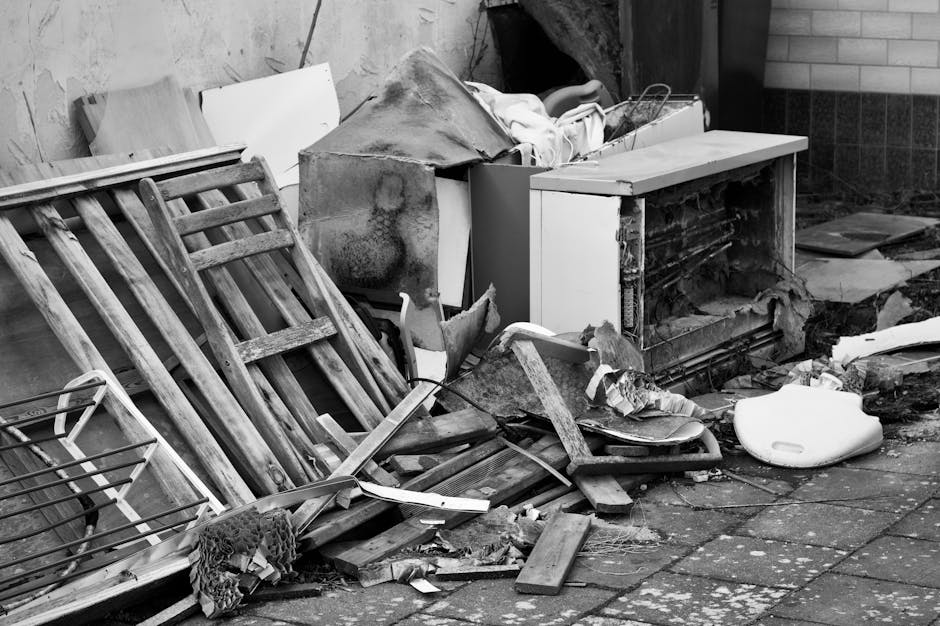
If you have a sofa stuck in the hallway, a broken wardrobe in the spare room, or a pile of awkward bits from a clear-out, the real cost of bulky waste removal in Southwest London is probably not just the number on a quote. It is the time saved, the hassle avoided, the access issues, the parking stress, and the difference between a quick tidy-up and a day that disappears into logistics. In a part of London where space is tight and front gardens, basement steps, and shared entrances all change the job, pricing can feel a bit opaque. This guide breaks it down clearly, so you can judge what is fair, what is extra, and what genuinely gives you value.
Truth be told, bulky waste removal is one of those services where the cheapest option is not always the cheapest in the end. Missed lifting help, hidden fees, or a van that cannot actually take everything can turn a simple job into a frustrating one. Below, you will find a plain-English explanation of how costs are usually shaped, what to watch for, and how to avoid paying too much for the wrong service.
Why Real cost of bulky waste removal in Southwest London Matters
Bulky waste removal sounds simple until you are the one trying to move a mattress down two flights of narrow stairs, or shift a cracked bookcase from a top-floor flat without dinging the walls. In Southwest London, the cost matters because the job is rarely just "pick up a few large items." It often involves access constraints, timed parking, stairs, shared corridors, and the need for items to be carried safely without damage.
That is why the real cost is broader than the collection fee. You are also paying for manpower, vehicle capacity, sorting, loading, disposal routing, and the inconvenience the provider absorbs on your behalf. If you are comparing quotes, this wider view stops you from judging the service by price alone. A very low price may assume ground-floor access and easy loading. Your property, as you may already know, might not quite be that straightforward.
There is also the local factor. Southwest London homes and businesses are often a mix of terraced houses, mansion flats, converted buildings, and compact commercial spaces. That variety makes bulky waste more complicated than a standard kerbside collection. A sofa removal in a first-floor flat is a different job from a single armchair in a driveway, even if both are technically "one item."
Expert summary: the real cost of bulky waste removal is usually shaped by labour, access, item size, disposal type, and whether the job needs extra handling. If a quote ignores those factors, it is probably incomplete.
How Real cost of bulky waste removal in Southwest London Works
Most bulky waste services price jobs using a combination of item count, volume, weight, labour intensity, and access. Some use a "load size" model, where the van space used is the main measure. Others look at individual items, especially for furniture disposal, sofa removal, or one-off appliances. In practice, the final figure often depends on what the crew sees when they arrive, which is why accurate descriptions matter so much.
A typical process looks something like this:
- You describe the items, access, and any awkward details, such as stairs, no lift, parking distance, or fragile flooring.
- The provider estimates the job based on the likely van space, labour, and disposal route.
- On collection day, the crew confirms what is there and loads the items safely.
- The waste is taken for sorting, reuse where possible, recycling, or disposal.
- If the job differs materially from the description, the price may change. Ideally, that is explained before anything is moved. Not after.
It helps to think in practical terms. A two-seat sofa, a dining table, and four chairs can look "small" to a homeowner. But if they must be carried from a basement flat through a tight stairwell and out to a vehicle parked around the corner, the labour cost becomes the real issue. Same items. Very different job.
Some services are more specialised than others. For example, builders waste, garden clearance, garage clearance, and office clearance all involve different mixes of materials and disposal requirements. If your bulky waste includes mixed household items and renovation debris, the provider may need to split the load appropriately. That affects pricing and timing.
What usually pushes the price up
- Multiple heavy items such as wardrobes, mattresses, or sofas
- No lift, narrow staircases, or difficult access
- Long carry distances from property to vehicle
- Waste that must be separated before disposal
- Urgent or same-day collection
- Restricted parking or waiting time
- Items that require two-person or multi-person handling
What can keep costs down
- Clear photos and a detailed description upfront
- Items left in an accessible location, where safe and lawful
- Grouping similar items together
- Separating reusable items from true waste
- Flexible collection timing rather than emergency booking
If you are comparing bulky waste options against rubbish removal or waste removal, think about the nature of the items rather than the label. The right service is usually the one that fits the access, volume, and disposal needs, not just the one with the shortest name.
Key Benefits and Practical Advantages
Once you understand the pricing logic, the benefits of using a proper bulky waste service become pretty obvious. The main value is not just clearance. It is control. Control over time, effort, safety, and the final state of your property.
- Less physical strain: heavy items can be awkward, and a bad lift is a quick route to a sore back. Honestly, nobody needs that.
- Cleaner exit from the property: no lingering bulky items waiting by the door or in the hallway.
- Safer handling: professionals know how to move large items without smashing doorframes or scraping walls.
- Better scheduling: collection can often be arranged around your move, renovation, or tenancy handover.
- More efficient disposal: items can be directed to the right route rather than dumped into the wrong stream.
- Reduced stress: there is a lot to be said for making one call and having the job handled properly.
For households, this can be especially helpful during move-outs, probate clearances, or after a refurbishment. For businesses, bulky waste removal can keep storage areas clear and reduce the clutter that slows day-to-day work. If you are clearing out an entire property, a broader home clearance or house clearance may be more cost-effective than removing items one by one.
There is also an emotional benefit people often underestimate. A room with one broken sofa, an old cabinet, and a pile of forgotten clutter can feel oddly heavier than it should. Once it is gone, the whole place breathes a bit easier. Small thing, big effect.
Who This Is For and When It Makes Sense
Bulky waste removal makes sense for anyone who has items too large, awkward, or heavy for normal bin collections. That sounds obvious, but the real question is whether a dedicated collection is better than asking yourself, "Can I deal with this another way?" Sometimes yes. Sometimes not.
You are likely in the right place if you are:
- moving house and need old furniture gone quickly
- clearing a flat after tenants leave behind large items
- disposing of broken wardrobes, beds, tables, or sofas
- sorting out a garage, loft, or spare room full of mixed clutter
- replacing office furniture or clearing commercial space
- handling renovation debris that does not belong in regular bins
- managing the contents of a property after a long period of accumulation
For renters, bulky waste removal can be the difference between a smooth checkout and an awkward last-minute scramble. For landlords and agents, it can help reset a property quickly. For homeowners, it is often about reclaiming space without turning the weekend into a small disaster.
Not every job needs a full clearance service, though. A single item may suit furniture disposal or sofa removal, while a larger mixed load may justify a broader rubbish clearance. Matching the service to the job is where the savings usually are.
Step-by-Step Guidance
If you want a realistic estimate rather than a vague ballpark, work through the job in a structured way. It does not take long, and it makes the quote more accurate straight away.
- List the items precisely. Write down each bulky item, or group them by type. "Three wardrobes, one mattress, one sideboard" is much better than "some old stuff."
- Note the access conditions. Include floor level, lift access, parking restrictions, gate codes, narrow stairs, and any carry distance.
- Separate waste from reusables. If an item can be donated or reused, say so. It may change the handling approach.
- Check for specialist materials. Some waste streams, such as building materials or business waste, may need to be handled differently.
- Ask what is included. Does the quote cover labour, loading, disposal, parking, and VAT where applicable? Ask plainly. Saves hassle later.
- Arrange the items for access if safe. If the crew can load efficiently, the job is smoother. Keep walkways clear and pets out of the way.
- Confirm timing and contact details. A small mix-up on the day can create a lot of wasted time.
In our experience, the jobs that go best are the ones where the customer gives honest detail. A slightly awkward staircase is not a problem. A surprise staircase, though, is a different story.
If your clearance is part of a larger tidy-up, it may help to look at adjacent services such as garage clearance or flat clearance. Those pages suit people whose bulky waste sits inside a wider property clear-out rather than as a single isolated item.
Expert Tips for Better Results
A few small choices can shave money off a bulky waste job without cutting corners. None of this is glamorous, but it works.
- Photograph everything in daylight. Natural light shows true size and condition better than a dim hallway photo taken at 8pm.
- Measure the biggest items. Doors, beds, wardrobes, and sofas are the usual culprits. A tape measure can prevent a badly judged quote.
- Tell the provider what is behind the obvious clutter. Hidden rubble, broken tiles, or bags of mixed waste can change the job a lot.
- Ask how mixed loads are handled. A load of household bulky items and a load of builders waste are not the same thing.
- Think in terms of access minutes. If loading will take much longer because of stairs or parking, factor that into your expectations.
- Bundle similar jobs together. If you also need garden waste, old furniture, or garage clutter cleared, a combined collection may be more efficient.
A small human note here: people often wait until the room is almost unusable before calling. Fair enough, life gets busy. But if you are even slightly ahead of the problem, you usually get better pricing and less stress.
For businesses, pairing bulky waste removal with office clearance or business waste planning can reduce downtime and keep staff out of a cluttered workspace. That matters more than people think. A clear office just feels easier to work in.
Common Mistakes to Avoid
Let's face it, bulky waste removal is one of those things people tend to book in a rush. That is exactly when the expensive mistakes happen.
- Giving an incomplete description. If the crew turns up and finds twice the load, the quote may change.
- Forgetting access details. A ground-floor image can hide a brutal staircase. Been there, seen that.
- Assuming all large items are priced the same. A sofa, wardrobe, and broken hot tub are not treated in the same way.
- Choosing only on price. Cheap can become costly if the crew is underprepared or the collection is delayed.
- Not checking what happens to the waste. Responsible disposal matters, especially if the load includes mixed household or commercial waste.
- Leaving the job until the last minute. Urgency often costs more.
Another common issue is mixing genuinely bulky items with general clutter and then expecting one simple price. It can still be done, but it needs honesty from the start. No drama, just detail.
Tools, Resources and Recommendations
You do not need special equipment to prepare for a bulky waste collection, but a few basic tools make the process smoother.
- Tape measure: useful for checking whether large items will clear doors and stair turns.
- Phone camera: take clear photos of items and access routes.
- Notebook or checklist: handy for listing items room by room.
- Gloves: useful if you are moving smaller pieces or clearing around the main items.
- Labels or tape: good if you want to separate what is going and what is staying.
As for service planning, it helps to know the shape of your clearance before booking. If you are dealing with a room full of household items, a waste clearance or waste collection approach may suit better than a one-item pickup. If the material is already packed or sorted, rubbish collection can be a neat fit.
And if you are not sure which route makes the most sense, ask for a breakdown of what the quote covers. Good operators are usually happy to explain the difference between collection, removal, disposal, and full clearance. If they dodge the question, that tells you something.
Law, Compliance, Standards, or Best Practice
Bulky waste removal in the UK should be handled with care, especially where mixed waste, commercial items, or potentially reusable goods are involved. You do not need to become an expert in waste rules to book a service, but it is sensible to understand the basics.
At a practical level, a provider should be able to move waste responsibly, avoid fly-tipping, and dispose of items through legitimate routes. If the job involves business waste or builders waste, the handling should reflect that type of material. Household furniture is one thing; renovation debris or office equipment is another. They are not interchangeable, and pretending they are can create problems later.
Best practice also means being clear about ownership and access. If items are left in a shared area, or if a landlord, tenant, or agent is involved, make sure everyone understands what is being removed. That bit sounds dull, but it prevents disputes. A very unglamorous kind of wisdom, admittedly.
For customers, the safest habit is to keep a simple record of what was collected and when, especially for larger or repeat clearances. It is helpful for your own records and avoids confusion if you need follow-up work later.
Options, Methods, or Comparison Table
There are several ways to deal with bulky items, and the best choice depends on volume, time, and access. Here is a simple comparison.
| Option | Best for | Pros | Watch-outs |
|---|---|---|---|
| One-off bulky item collection | A sofa, mattress, wardrobe, or single appliance | Simple, quick, usually easy to arrange | Can be poor value if you have several items |
| Furniture disposal | Chairs, beds, tables, cabinets | Good for domestic clear-outs | Access and lifting can change the price |
| Rubbish removal | Mixed bulky household waste | Flexible, good for awkward loads | Needs accurate description to avoid extras |
| House or home clearance | Multiple rooms or full property clear-outs | Often the most efficient for larger jobs | More planning needed upfront |
| Specialist clearance | Garage, garden, office, or builders waste | Better matched to the waste type | Wrong category can lead to incorrect pricing |
If your job includes outdoor clutter, a garden clearance can be more appropriate than a general bulky waste booking. If it is the aftermath of renovation work, builders waste is the better fit. Choosing correctly is half the battle, really.
Case Study or Real-World Example
Imagine a family in a Southwest London maisonette preparing for a move. They have an old three-seat sofa, a mattress, a wardrobe that will not come apart cleanly, and a stack of assorted clutter from the spare room. On paper, it looks like a straightforward household clearance. In reality, the flat is on the second floor, the stairwell is narrow, and parking is around the corner.
A quote based only on "four large items" would be misleading. The better estimate would consider the carry distance, the labour needed to move bulky items safely, and the time spent loading. If the customer had only asked for a single sofa removal, they might have received a smaller quote, but the full job would still need to be completed somehow. That is where people get caught out.
In that kind of situation, the real cost of bulky waste removal in Southwest London is the combination of physical effort, access difficulty, and waste handling. Once the job is described accurately, the quote makes much more sense. The room is cleared, the move becomes easier, and the customer avoids spending half a Saturday arguing with an oversized wardrobe. Which, to be fair, is a lovely thing to avoid.
Practical Checklist
Use this before you book a collection. It keeps the process tidy and helps avoid surprise costs.
- List every bulky item you want removed
- Take clear photos of the items and access route
- Measure the largest items if they are awkward
- Note stairs, lifts, parking, and carry distance
- Separate reusable items from waste
- Confirm whether the quote includes labour and disposal
- Ask if the job suits a specialist service such as furniture, garden, garage, or office clearance
- Choose a time when the access route can stay clear
- Keep pets, children, and valuables out of the work area
- Check that you understand what happens if the load changes on the day
Quick takeaway: the more accurately you describe the job, the closer your estimate will be to the real price. That is where you save time, frustration, and usually a bit of money too.
Conclusion
The real cost of bulky waste removal in Southwest London is shaped by more than item count. Access, labour, load type, disposal route, and timing all matter. Once you understand those pieces, quotes become much easier to judge, and you can spot when a price is fair, when it is vague, and when it is trying a little too hard to look cheap.
The best approach is simple: be specific, compare like with like, and choose the service that actually matches the job. Whether you need a single item taken away or a fuller property clear-out, the right plan will save far more stress than it costs. And honestly, a clear room has a way of making everything else feel more manageable.
Get a free quote today and see how much you can save.
Frequently Asked Questions
What is considered bulky waste in Southwest London?
Bulky waste usually means large household or business items that are too big for normal bin collections. That often includes sofas, wardrobes, mattresses, tables, chairs, and similar oversized items.
Why do bulky waste prices vary so much?
Prices change because jobs are not all the same. A ground-floor sofa is much easier than carrying a heavy wardrobe down narrow stairs, so labour, access, and disposal needs all affect the quote.
Is bulky waste removal cheaper than hiring a skip?
Sometimes yes, sometimes no. For small to medium loads, a collection service can be better value because you only pay for the space and labour you need. For major clear-outs, the best option depends on how much waste you have and how quickly it needs to go.
Can I book bulky waste removal for one item only?
Yes. Single-item collections are common, especially for sofa removal, mattress disposal, or a lone wardrobe. Just make sure the item and access details are described clearly so the price is accurate.
Do stairs and parking really change the cost?
Very much so. Extra lifting time, long carry distances, and difficult parking all add time to the job, and time is one of the main cost drivers in bulky waste removal.
What is the difference between bulky waste removal and furniture disposal?
Furniture disposal is a more specific service for items like beds, sofas, tables, and cabinets. Bulky waste removal is broader and can include mixed large items, not just furniture.
How can I get a more accurate quote?
Send clear photos, list the items, and mention access issues such as stairs, lift use, parking restrictions, or long carry distances. The more complete the information, the less likely the final price will shift.
Is it better to clear everything at once?
Often yes, if the items are already being removed from the same property. A combined clearance can be more efficient than several separate visits, especially when the load includes mixed bulky waste.
What happens to the items after collection?
That depends on the service and the condition of the items. Some may be reused, some recycled, and some sent for disposal. Responsible handling is the key thing to expect.
Should I choose a specialist service for garden, garage, or office items?
Usually, yes. A specialist service can be better matched to the type of waste, whether that is garden clutter, garage junk, office furniture, or renovation debris. It often makes pricing and handling clearer.
How far in advance should I book?
If the job is straightforward, you may not need much lead time, but it is usually smarter to book as soon as you know the date. Urgent bookings can be convenient, though they may cost more.
What if I am not sure whether my load counts as rubbish removal or waste removal?
That is common. The naming matters less than the actual items, volume, and access. If you describe what you have in plain terms, the provider can usually point you toward the most suitable option.
Can bulky waste removal help with a whole flat or house clear-out?
Yes. If you are dealing with several rooms, it may be more sensible to look at flat clearance, home clearance, or house clearance rather than booking individual item removals one by one.
What is the biggest mistake people make?
The biggest mistake is under-describing the job and then comparing quotes as if every provider is pricing the same thing. Once the access and load details are clear, the real cost becomes much easier to understand.