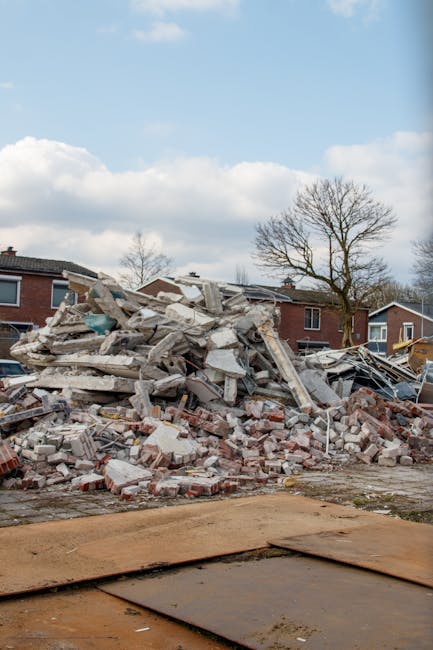
Waste clearance SW4 Balham estates what to expect: a practical local guide
If you live on or manage an estate in Balham, waste clearance can feel simple on paper and slightly more awkward in real life. Shared entrances, tight stairwells, bin store rules, parking pressure, and neighbours who quite understandably want the place kept tidy all add up. That is exactly why understanding Waste clearance SW4 Balham estates what to expect matters before you book anything.
This guide walks you through the usual process, what good service looks like, what can slow things down, and how to avoid the little headaches that tend to show up on estates. Whether you are clearing a flat, a communal area, a garage, an office, or post-refurb debris, the aim is the same: get it done cleanly, quickly, and without drama. A bit of planning goes a long way, truth be told.
For context, many residents also need broader help with waste clearance, rubbish removal, or even a full home clearance if the job has built up over time. Others only need one-off support such as furniture disposal or a targeted flat clearance. The right approach depends on what is being removed and how the estate is set up.
Table of Contents
- Why waste clearance on Balham estates matters
- How the process usually works
- Key benefits and practical advantages
- Who this is for and when it makes sense
- Step-by-step guidance
- Expert tips for better results
- Common mistakes to avoid
- Tools, resources and recommendations
- Law, compliance, standards and best practice
- Options, methods, and comparison table
- Case study or real-world example
- Practical checklist
- Conclusion
- Frequently asked questions
Why Waste clearance SW4 Balham estates what to expect Matters
Balham estates are not just "another address". They often have shared access points, controlled parking, narrow corridors, lift rules, bin-store arrangements, and residents who need the work to be neat and predictable. That means waste clearance is less about chucking things into a van and more about respecting the layout and the people living there.
When expectations are clear, clearance is usually smoother from the first minute. You know if the team will need access codes, whether the lift can be used, where the vehicle can stop, and whether bulky items like wardrobes or sofas need dismantling. Without that clarity, even a small job can become a bit of a shuffle. A missed parking bay, a blocked doorway, one awkward mattress on the stairs... and the mood changes quickly.
It also matters because waste left too long on an estate can create real friction. It looks untidy, can attract complaints, and may affect fire escape routes or shared spaces. Even when the job is only a single-load collection, the way it is handled says a lot about the service standard. Good clearance teams understand that and move with care, not just speed.
Practical summary: On Balham estates, the best waste clearance is the one that is planned around access, neighbours, timing, and the type of waste - not just the volume. That is what turns a stressful job into a clean handover.
How Waste clearance SW4 Balham estates what to expect Works
In most cases, the process starts with a quick description of what needs removing. That might be a pile of household rubbish, a broken wardrobe, a few sacks after decorating, or a larger mixed load. If the job is more specific, such as builder's debris, garden waste, or office contents, the clearance plan may shift slightly. For example, builders waste removal is usually handled differently from a standard domestic clear-out because of weight, dust, and material type.
After the initial enquiry, you will normally be asked a few practical questions:
- What exactly needs removing?
- How much space does it take up?
- Are there stairs, a lift, or tight access points?
- Is parking available nearby?
- Are there any bulky or fragile items?
- Does the estate have collection restrictions or time windows?
Once that is clear, a quotation is usually based on load size, labour required, access difficulty, and disposal type. On estates, access often matters more than people expect. A small load from a ground-floor flat can be straightforward. The same load from the fifth floor with no lift? Different story entirely.
On the day, the team should arrive, assess the load, confirm anything that has changed, and then remove the waste with minimal disruption. If they need to sort items for separate disposal streams, that may happen on-site or at the vehicle, depending on the setup. Good services are tidy about it. No one wants a trail of packaging, dust, or half-open bags left behind. No one.
If you are comparing broader options, you might also look at rubbish clearance services, waste removal, or scheduled waste collection if you expect recurring needs rather than a one-off visit.
Key Benefits and Practical Advantages
The obvious benefit is time saved. But on estates, the bigger win is often reduced stress. You are not trying to coordinate lifts, trolleys, bags, and disposal runs by yourself. That alone can be worth a lot, especially if you are dealing with a flat clearance after a move, a tenancy change, or a long-overdue sort-out.
Other practical advantages include:
- Less disruption for neighbours because the job is completed in a focused visit.
- Safer handling of heavy, awkward, or sharp items.
- Cleaner communal areas because waste is taken away rather than left stacked in corridors or by bins.
- Better sorting for reusable, recyclable, and disposable materials.
- Flexible support for jobs that do not fit a standard bin collection.
There is also a practical emotional benefit, which people sometimes underestimate. If you have been living with clutter, broken furniture, or post-renovation mess, getting it cleared can make the whole place feel lighter. You notice it immediately when the hallway is no longer crowded. The air feels different. Sounds a bit dramatic, maybe, but it is true.
For bigger household jobs, a house clearance or garage clearance can be the neatest option, while a sofa removal service is often the easiest fix for bulky single items that will not fit into a car or regular bin system.
Who This Is For and When It Makes Sense
This kind of service is useful for a lot of people, not just landlords or letting agents. In Balham estates, it often helps:
- tenants moving out and needing a fast clear-up
- homeowners who have accumulated bulky waste over time
- landlords preparing a flat between tenancies
- property managers dealing with communal overflow or abandoned items
- local businesses with storage, fit-out, or office decluttering needs
- residents clearing old furniture, white goods, or mixed rubbish
It also makes sense when the waste is awkward enough that you would rather not handle it yourself. Think chest of drawers that barely fit through the doorway, broken shelving from a storage cupboard, or bagged waste that has been sitting on a balcony because nobody quite had the time. That sort of thing adds up quickly.
If the load includes commercial items or a work site mix, you may be better matched with office clearance, business waste, or waste disposal services rather than a general domestic collection. Matching the service to the job saves time and avoids misunderstandings.
Step-by-Step Guidance
If you want the clearance to run smoothly, a simple process works best. No fancy system needed. Just a bit of order.
- List what needs clearing. Separate furniture, bags, appliances, garden waste, builders debris, and anything that may need special handling.
- Check access. Note floor level, lift availability, parking, and any gate or entry instructions.
- Take rough photos. This helps a service estimate the job properly without guesswork.
- Ask about sorting. Some items can be reused, recycled, or separated for different disposal routes.
- Confirm timing. On estates, morning slots can be easier than late afternoons when things are busier.
- Prepare the space. Move small personal items aside so the team can work safely and quickly.
- Walk through the job at arrival. A two-minute check at the start prevents confusion later.
One small but useful tip: if the job involves a mix of heavy furniture and loose rubbish, group the items in advance if you can. It does not need to be perfect. Just enough to help the team see what is what. That little bit of prep often cuts out unnecessary back-and-forth.
For garden-related jobs, it is worth looking at garden clearance. For sheds, cupboards, and stored odds and ends, garage clearance may be the better fit. Different mess, different method.
Expert Tips for Better Results
A good waste clearance on an estate usually comes down to small details. Here are a few that make a real difference.
- Be precise about what is included. "A few bags" can mean three bags or thirty. Say it plainly.
- Flag access issues early. If there is no parking directly outside, say so before the booking is confirmed.
- Keep fragile or sentimental items separate. Sounds obvious, but items tucked into a "clear everything" room can disappear by mistake.
- Ask about bulky dismantling. Some wardrobes, beds, and desks need to be taken apart before removal.
- Plan around neighbours. If the estate is quiet in the morning, a morning slot may be kinder for everyone.
Another simple tip: use labels or sticky notes if several rooms are being cleared. It sounds a bit over the top, but when a property is busy or cluttered, a label can save a lot of second-guessing. Bedroom. Store cupboard. Recycle. Dispose. Done.
And if you are dealing with large fabric items, it can help to arrange a dedicated furniture disposal or sofa removal rather than trying to squeeze them into a mixed job without warning. The smoother the brief, the smoother the result.
Common Mistakes to Avoid
Most clearance problems are not dramatic. They are the result of small assumptions. That is the annoying bit.
- Underestimating the volume. A pile that looks manageable at a glance often grows once it is gathered properly.
- Forgetting estate rules. Some estates have specific loading bays, access windows, or restrictions on where a vehicle can stop.
- Leaving the booking vague. Vague descriptions create vague quotes, and vague quotes can cause awkward surprises.
- Mixing waste types without mentioning it. Builders waste, garden waste, and household items may need different handling.
- Assuming everything can go in one sweep. Not every item is suitable for the same disposal route.
There is also the classic mistake of waiting until the bins are overflowing and then hoping for a miracle. To be fair, everyone does this once. But if you know a clearance is coming, book early and let the team know the full picture.
For larger renovation jobs, a dedicated builders waste service is often a better fit than a general rubbish run. It is one of those distinctions that seems minor until the wrong vehicle turns up and everyone stands around shrugging. Not ideal.
Tools, Resources and Recommendations
You do not need specialist gear for every job, but a few practical tools can make estate clearance easier and safer.
| Tool or resource | Why it helps | Best used for |
|---|---|---|
| Phone camera | Gives a clear visual estimate before booking | Quoting, planning, access checks |
| Labels or tape | Separates keep, dispose, recycle, and donate piles | Flat clearances, home decluttering |
| Sturdy gloves | Helps with sharp edges, dust, and rough surfaces | Sorting and light prep work |
| Trolley or sack truck | Reduces strain on heavy items | Furniture, boxes, awkward loads |
| Room-by-room list | Keeps the job organised and reduces missed items | Any larger clearance |
For many people, the most useful "resource" is simply a clear plan. Write down what is leaving, what is staying, and what needs special handling. Then take a few photos in daylight if possible. Morning light makes rooms look honest, which is helpful when you are estimating the load.
If you need ongoing support rather than a one-off collection, regular rubbish collection or a more structured waste removal arrangement may be worth exploring. For businesses, a dedicated business waste approach can be more efficient than piecing together ad hoc jobs.
Law, Compliance, Standards, or Best Practice
Waste clearance in London is not just a practical task; it also sits within standard UK expectations around responsible disposal. You do not need to become a compliance expert to book a service, but you should expect waste to be handled lawfully and sensibly. That means a few things in plain English.
- Waste should go to appropriate disposal or recycling routes, not be dumped somewhere unofficial.
- Mixed loads should be sorted where possible to improve reuse and recycling.
- Hazardous or specialist items may need separate handling.
- Clear communication matters, especially if an item may need extra precautions.
Best practice also means keeping estates tidy during the job. Bags should not be left in corridors. Access routes should be respected. And if anything changes on the day, the team should tell you before the problem becomes a mess.
If you are dealing with items that may be delicate, contaminated, or unusually heavy, say so. That is not over-sharing; it is the sensible thing to do. The honest brief is almost always the safest one.
Options, Methods, or Comparison Table
Different clearance methods suit different estate jobs. Here is a simple comparison that can help you decide.
| Method | Best for | Strengths | Limitations |
|---|---|---|---|
| One-off waste clearance | Mixed household or estate rubbish | Flexible, quick, practical | Less ideal for scheduled recurring waste |
| Flat clearance | Tenancy changes, downsizing, urgent emptying | Clear room-by-room approach | Needs accurate access details |
| House clearance | Larger domestic properties or full contents jobs | More comprehensive, less piecemeal | Can take longer to plan |
| Rubbish removal | Loose waste, sacks, mixed unwanted items | Good for fast turnarounds | May not suit bulky or specialist items alone |
| Furniture disposal | Sofas, wardrobes, beds, tables, and similar | Targets bulky items efficiently | May need dismantling or two-person handling |
In practice, many estate jobs are a mix. A flat clearance may include one broken sofa, a pile of old boxes, and some leftover DIY waste. That is normal. A good provider will not force the job into a neat category just for the sake of it.
Case Study or Real-World Example
Here is a realistic example. A resident in a Balham estate is moving out of a second-floor flat. The property has a lift, but it is small, and the estate has limited daytime parking. The job includes a two-seater sofa, a bed base, several bin bags, a coffee table, and a few bits from the balcony.
What works well in that situation?
- The resident sends photos in advance, so the load is estimated properly.
- The booking is set for early morning, before the estate gets busy.
- The large items are grouped near the entrance but not blocking the hall.
- The team confirms whether the sofa needs dismantling before it is moved.
- Any fragile or keep items are removed from the room first.
The result is usually a much calmer day. The team arrives, gets on with the work, and the flat is left clear without upsetting neighbours or creating a bottleneck in the communal area. That kind of job sounds small, but on an estate it makes a real difference. Everything feels less tense when the plan is clear.
If the same job had included storage items or a bigger mix of leftover belongings, a broader house clearance or flat clearance would have been the smarter route. The key is matching the method to the layout and the load.
Practical Checklist
Use this before the team arrives. It keeps things simple.
- Have you listed everything that needs removing?
- Have you checked access, stairways, lift size, and parking?
- Have you mentioned any bulky, heavy, or awkward items?
- Are fragile, personal, or keep items clearly separated?
- Do you know whether the estate has time restrictions?
- Have you confirmed whether dismantling may be needed?
- Have you taken photos for reference?
- Is the route from the property to the vehicle clear?
- Have neighbours or building management been informed if necessary?
- Do you understand what should happen to reusable versus disposable items?
If you can tick most of those off, you are in a good place. Not every clearance needs lots of preparation, but a little bit of order saves a surprising amount of effort later.
Get a free quote today and see how much you can save.
Conclusion
When you know what to expect, waste clearance on SW4 Balham estates becomes much more manageable. The real keys are access, timing, clarity, and respect for shared spaces. Get those right, and even a fairly awkward load can be dealt with quickly and without much fuss.
Whether you are clearing one bulky item, sorting a flat before a move, or dealing with mixed estate waste after a project, the best results usually come from simple planning and honest communication. Nothing flashy. Just the right service, the right timing, and a tidy finish.
If you take one thing from this guide, let it be this: a good clearance should make life easier from the first phone call to the final sweep of the floor. And honestly, on a busy estate, that peace of mind is worth a lot.
Frequently Asked Questions
What should I expect from waste clearance on a Balham estate?
You should expect an initial discussion about the items, access, parking, and timing, followed by a removal visit that is planned around the estate layout. The best services keep disruption low and communicate clearly.
How do I know if I need rubbish removal or a full clearance?
If you have a few bags or a small mixed load, rubbish removal may be enough. If you are clearing multiple rooms, bulky furniture, or an entire property, a flat clearance or house clearance is usually more suitable.
Do I need to move the waste to the ground floor first?
Usually not, unless that has been agreed in advance. A good clearance team should tell you what access they need and whether items can be collected from the flat itself. On estates, this matters more than people think.
How long does a typical estate waste clearance take?
It depends on the load, access, and whether items need dismantling. A small job can be fairly quick, while a larger flat or mixed-load clearance may take longer. Access is often the deciding factor.
Can furniture be taken away as part of the job?
Yes, usually. Sofas, beds, wardrobes, tables, and similar items can often be removed as part of furniture disposal or a broader waste clearance. Just mention them early so the team comes prepared.
What if the estate has limited parking?
Say so before booking. Limited parking is common in Balham, and it can affect timing and pricing. The more accurate the access details, the smoother the visit will be.
Is it better to book a flat clearance or waste removal?
If you are clearing rooms, furniture, and personal contents, flat clearance is often the better fit. If you are mainly dealing with loose rubbish or a smaller mixed load, waste removal may be enough.
Can I include builders waste with household items?
Sometimes yes, but it should be mentioned clearly. Builders waste often needs different handling from ordinary household waste, especially if it includes heavy or dusty materials. A separate builders waste service may be more efficient.
What happens if I forget to mention extra items on the day?
It may still be possible to include them, but it can affect the quote, timing, or vehicle space. It is always better to be upfront from the start. That avoids awkward surprises for everyone.
Is there a best time of day for estate clearance?
Often, yes. Early morning or quieter mid-morning slots can work well because there is less foot traffic and fewer parking issues. On some estates, that small timing choice makes the whole job easier.
What should I do with reusable items?
If items are in good condition, set them aside and tell the clearance team. Some services can separate reusable furniture or other items from general waste, which is better than sending everything to disposal without thinking twice.
Do I need to prepare the property before the team arrives?
Only lightly. Clear personal items, identify what stays and what goes, and make access as open as possible. You do not need to do the heavy lifting yourself unless that has been agreed. A small amount of prep is usually enough.
What is the most common mistake people make with estate waste clearance?
The most common mistake is under-explaining the job. People often forget to mention access limits, lift size, parking issues, or bulky items. A clear brief saves time, money, and a fair bit of stress.